In this blog series, we explore Egypt’s dynamic entrepreneurial landscape by analyzing standout startups from Shark Tank Egypt, Season 3. The entrepreneurs presented innovative concepts with the potential to transform Egyptians’ experiences in food innovation, sustainable livestock, and mineral production, addressing real consumer needs while introducing new products and services to the market.
Their pitches emphasized solving tangible market problems and creating scalable business opportunities both domestically and internationally, focusing on practical growth, long-term impact, and strategic execution rather than solely on valuations and equity percentages.
Building on insights from Seasons 1 and 2, this comprehensive analysis examines each startup’s core nature, competitive environment, growth and expansion prospects, domestic and foreign market size, and potential for export and international reach.
By uncovering the tactics and strategies behind these ventures, we aim to provide actionable advice and reveal new opportunities for aspiring entrepreneurs in Egypt and around the world.
This episode features Minimelts, Ostrich Land, and Halite Egypt.
Mini Foods
Mini Foods, through its innovative brand Melts Minimelts, is transforming Egypt’s frozen dessert industry by introducing cryogenic technology that freezes products at extremely low temperatures of 197ºC, producing bead-shaped ice cream with a distinct texture and natural flavor. The company’s clean-label promise, excluding artificial preservatives and GMOs, aligns with the global shift toward healthier and more premium indulgence products. The global ice cream market is projected to grow at a compound annual growth rate (CAGR) of 3.9% from 2024 to 2030, according to Grand View Research, and up to 6.7% from 2025 to 2033, according to Straits Research. This growth is driven by rising consumer demand for indulgent yet health-conscious options, the expansion of modern retail channels, and a growing preference for high-quality desserts in emerging markets. In a market dominated by well-known international brands like Nestlé, Häagen-Dazs, and Unilever, Mini Foods stands out via technological innovation and high-quality products. The business attracts both domestic and foreign customers looking for originality and authenticity with its revolutionary cryogenic method. Egypt’s frozen dessert business is still growing thanks to the country’s youthful, urban population and growing disposable income. Access to profitable export markets throughout the GCC and Africa is another benefit of the nation’s advantageous geographic location.
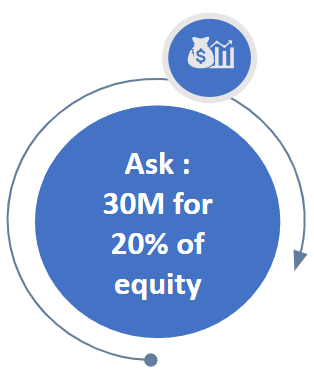
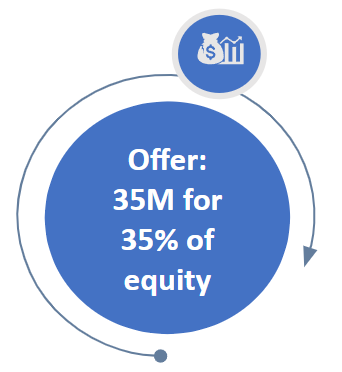
From an investment perspective, Mini Foods was valued at about EGP 100 million after receiving EGP 35 million for a 35% ownership holding. Strong investor trust in its scalability and export capability is reflected in this valuation. The company’s potential for expansion and premium margins make the first capital investment in equipment and cold-chain logistics worthwhile. Additionally, by reducing local market volatility, its export-oriented approach allows investors to access a wider range of regional demand. With its emphasis on clean ingredients, state-of-the-art technology, and premium positioning, Mini Foods stands out in a market that combines local producers with global powerhouses. Strengthening distribution relationships, increasing flavor options, and bolstering its export supply chain to guarantee effectiveness and quality are among its top strategic initiatives. Grand View Research projects that the global ice cream market will grow from its 2023 valuation of USD 113.4 billion to USD 147.7 billion by 2030. Mini Foods has the potential to spearhead Egypt’s entry into the premium frozen dessert market, as the country now accounts for just 0.29% of global exports. By utilizing both its domestic production base and the potential of the global market, the company is well-positioned to emerge as a regional leader in creative, clean-label frozen desserts.
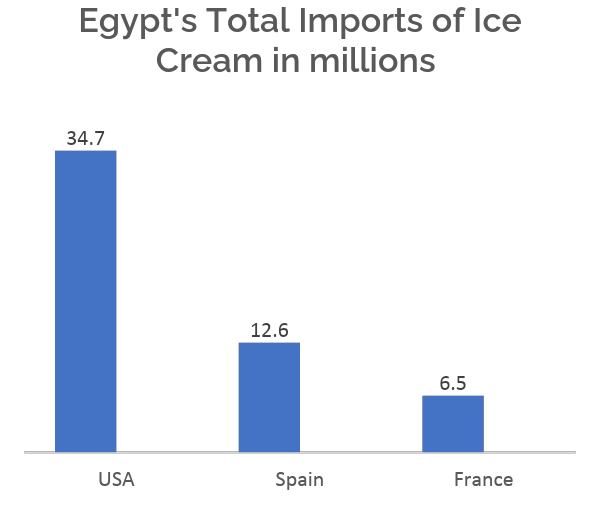
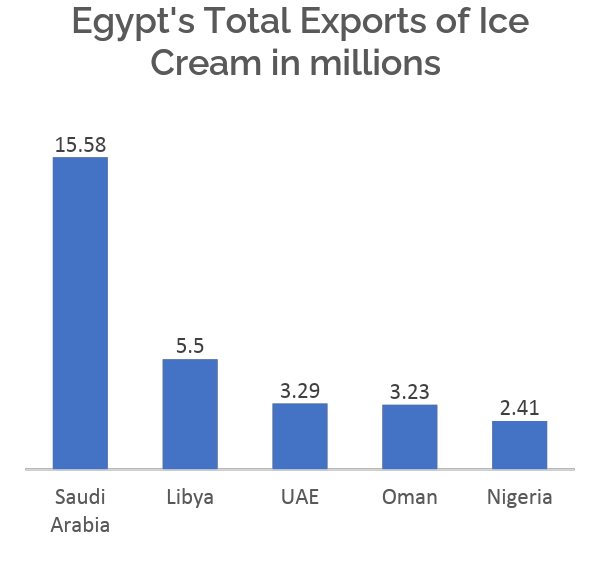
According to Trade Map, Egypt’s ice cream trade demonstrates a clear reliance on a few key partners, with imports heavily concentrated in the United States, which supplies $34.7 million worth of ice cream, well above Spain ($12.6 million) and France ($6.5 million), indicating dependency on a limited number of suppliers. On the export side, Egypt shows a more moderately diversified market, with Saudi Arabia as the largest destination at $15.58 million, followed by Libya ($5.5 million), the UAE ($3.29 million), Oman ($3.23 million), and Nigeria ($2.41 million). Overall, Egypt remains a net importer of ice cream, with concentrated import sources but a reasonably varied export base across the Middle East and Africa, reflecting both reliance on specific suppliers and emerging export opportunities.
Ostrich Land
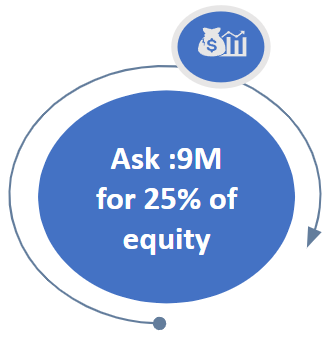
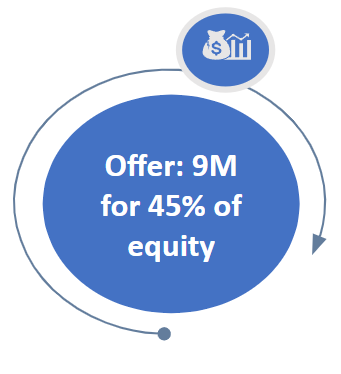
Ostrich Land is spearheading the growth of Egypt’s ostrich meat industry, offering a more sustainable and healthful substitute for conventional red meats. The company manufactures premium ostrich meat that is high in protein and low in fat and cholesterol. Ostrich Land is valued at about EGP 20 million with an investment of EGP 9 million for 45% equity, indicating investor confidence in its capacity to seize an emerging market. The Business Research Company projects that the global meat products market will develop at a compound annual growth rate (CAGR) of 5.3% by 2029, while OGS Capital projects that the global ostrich meat segment will grow at a CAGR of 4.6% between 2021 and 2026.
The company’s concentration on quality lean protein and innovative products is its strongest point. Ostrich Land can adapt to both retail and foodservice markets by providing a wide variety of products, including fresh cuts, organs, and processed options like sausages and ready-to-cook meals. The company’s growth potential is supported by the growing demand for lean and alternative proteins around the world, which is fueled by fitness trends, health consciousness, and sustainability objectives. Egypt’s advantageous location allows it to export to Gulf markets like the United Arab Emirates, Saudi Arabia, and Qatar, where there is a growing demand for premium meats with Halal certification. The business is a desirable early-stage prospect from an investment standpoint due to its comparatively cheap capital requirements and little competition. Its promise is found in product diversification, export growth, and building brand loyalty in a specialized but rapidly expanding market. Strategic planning can help overcome obstacles such low customer awareness, the requirement for certifications, and a tiny domestic base. Through partnerships with upscale restaurants, chef collaborations, and awareness campaigns, Ostrich Land aims to educate consumers about the nutritional advantages of ostrich meat.
The market for ostrich meat has minimal competition, giving first-mover advantages. Ostrich Land is able to effectively differentiate itself because to its specialty in the premium lean meat niche, even if traditional meat manufacturers still dominate the broader market. Targeting health-conscious customers and upscale dining establishments, its approach places a strong emphasis on product quality, sustainability, and brand authenticity. When properly branded and distributed, specialty meats provide higher profit margins and faster expansion potential than the mature red meat industry, whose growth has stagnated. Ostrich Land has enormous unrealized potential because the world’s meat consumption is increasing at a rate of more than 5% per year, and Egypt’s share of unusual meat exports is still very small. The company is well-positioned to become a regional leader in premium lean meat production and a major contributor to Egypt’s agricultural diversification and export growth through early market entry, product differentiation, and a strong export orientation.
Halite Egypt
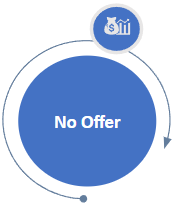
Halite Egypt demonstrates the country’s growing competitiveness in mineral-based exports through the production and trade of high-quality Egyptian sea salt. The company extracts and refines sea salt rich in essential minerals such as potassium, magnesium, and calcium, catering to both food-grade and industrial markets. Its major export destinations include Saudi Arabia, the United Arab Emirates, and Jordan, where demand for natural, high-purity salt continues to rise. The global sea salt market is expected to grow at a CAGR of 3.2% between 2024 and 2032, according to Zion Market Research, and up to 4.3%, according to Verified Market Research. This growth is driven by applications in food processing, water treatment, wellness, and gourmet culinary products. Halite Egypt’s competitive strength lies in its product purity, mineral composition, and Egypt’s cost-efficient production capabilities. The company is well-positioned to evolve beyond bulk commodity salt and enter higher-value segments such as gourmet, flavored, and mineral-enriched salts. Egypt already accounts for around 14.7% of total regional salt exports in the MENA region, confirming its importance in the trade network. Although Halite Egypt has not yet attracted external investors, its strong operational base and export momentum indicate significant scalability potential.
Natural and sustainable products are becoming more popular worldwide, which presents Halite Egypt with chances to enter premium markets. Demand for unprocessed and mineral-rich salts is increasing among health-conscious consumers and luxury food manufacturers. The company can further differentiate itself through sustainable extraction processes, eco-friendly packaging, and luxury branding that aligns with wellness and environmental principles. Egypt’s advantageous location also makes it easier to access emerging markets in Asia and Africa and conduct economic logistics. While the global salt industry remains competitive, with major producers from India, China, and Europe dominating, the market’s commoditized nature creates space for value-focused exporters like Halite Egypt. The company’s strategy is on quality assurance, worldwide certification, and partnerships with distributors that assure reliability for global clients. With sustained global growth rates and Egypt’s leading export position within MENA, Halite Egypt is ready to enhance its international presence. As it continues to develop branded, premium-grade salt products, the company is set to enhance Egypt’s global image as a trusted supplier of mineral-rich natural resources. Its ability to integrate traditional extraction processes with contemporary production standards enables both long-term sustainability and commercial success in the international salt trade.
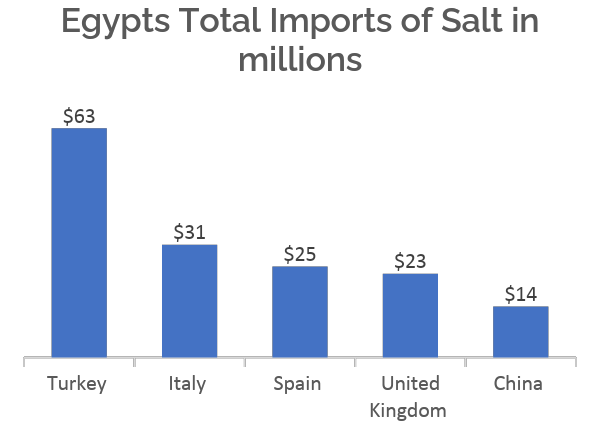
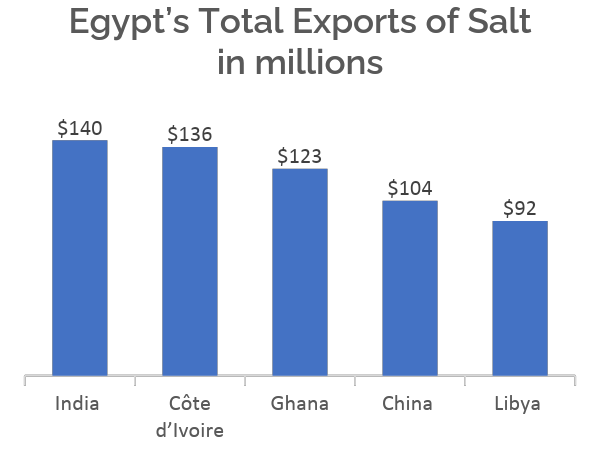
Egypt’s salt trade shows a marked contrast between its import and export patterns. On the import side, Egypt relies heavily on a few key suppliers, with Turkey leading at around $63 million, more than double Italy’s $31 million and well above Spain, the United Kingdom, and China, indicating concentrated dependency and potential vulnerability to supply or price shocks. In contrast, Egypt’s salt exports are more diversified and robust, reaching significant values across multiple regions. India leads with approximately $138 million, followed by Côte d’Ivoire ($135 million), Ghana ($122 million), China ($104 million), and Libya ($91 million), demonstrating broad global demand and resilience.
Overall, while Egypt’s import sources are limited, its export markets are well distributed across Asia and Africa, highlighting a strong outward trade position that mitigates risk and underscores the potential for continued growth in its salt industry.