

In this Shark Tank Egypt episode, four entrepreneurs presented concepts that have the potential to revolutionize Egyptians’ attitudes about outdoor living, fashion, healthcare, and catering. Solving actual problems and generating scalable opportunities both domestically and internationally were the main topics of their pitches, not just values and percentages.
We saw a daring attempt to deliver on-demand medical services straight to people’s homes, a gourmet catering business that sought to reinvent parties and events, a fashion brand that was founded on classic styles with a contemporary Egyptian flair, and a furniture company that aimed to revolutionize outdoor living with high-end, long-lasting designs. Each creator had a vision that went beyond their own commercial objectives; they wanted to change people’s lives, advance industries, and showcase Egypt’s entrepreneurial prowess internationally.
This episode captured what makes Shark Tank Egypt so compelling: ambitious dreams, passionate storytelling, and intense negotiations that could change the trajectory of these businesses forever. The startups featured were MetaDoc, On Board, Outdated, and Right Home Furniture.
MetaDoc
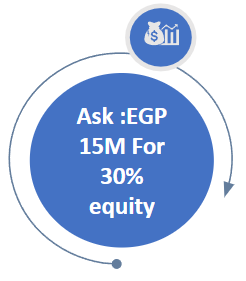
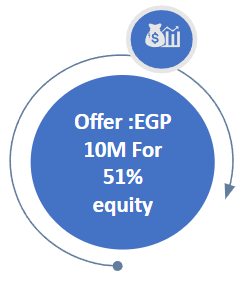
MetaDoc took the Shark Tank Egypt stage not as a typical health IT platform but as a vision to transform how healthcare is delivered. The founders made one of the show’s boldest pitches, requesting EGP 15 million for 30% of their Egypt operations and 2.5% of their U.S. holding company. After negotiations, they secured EGP 15 million for 51% of the Egyptian entity and 5% of the U.S. stake—an agreement that reflected investor confidence and the founders’ commitment to scaling rapidly.
MetaDoc is addressing one of Egypt’s most pressing challenges: access to timely, high-quality care. Through its app, patients can request on-demand medical services such as PCR testing, IV therapy, and on-call doctors, combining digital convenience with the reliability of in-person care. The company operates under a tech-enabled, service-based model that connects users with licensed healthcare providers and generates revenue through per-visit fees, subscription packages, and corporate partnerships. By focusing on in-home care rather than telemedicine alone, MetaDoc captures a unique market segment seeking dependable and premium healthcare experiences.
Egypt’s healthtech landscape is evolving rapidly.
Platforms like Hospitalia and UltraHealth have improved digital access, while Vezeeta pioneered online booking and teleconsultations. MetaDoc differentiates itself by bridging digital and physical care, positioning itself as a disruptor in home healthcare rather than a direct telemedicine competitor.
The market opportunity is substantial. With a population exceeding 110 million, Egypt faces overcrowded hospitals, long wait times, and uneven access to care. Growing urbanization, smartphone penetration, and awareness of preventive health are fueling demand for convenient, tech-driven medical solutions. Globally, the home healthcare market is projected to reach USD 500 billion by 2030, with MENA expected to follow the same trend. MetaDoc is well positioned to capitalize on this momentum by strengthening its foothold in Egypt and leveraging its U.S. holding company for future regional expansion.
MetaDoc’s journey on Shark Tank represents more than a funding success; it signals the growing role of healthtech in driving accessibility and efficiency across Egypt’s healthcare system. If executed effectively, the company could set a new benchmark for on-demand healthcare across MENA, redefining how people experience care.
On Board
On Board has quickly become a premium name in Egypt’s food service industry, offering gourmet catering solutions that blend flavor, artistry, and presentation. The company goes beyond traditional catering with charcuterie boards, grazing tables, canapés, and full event setups designed to elevate both private and corporate gatherings. Operating in Egypt and Dubai, Onboard Eats has positioned itself as the go-to brand for clients seeking food experiences that are as visually stunning as they are delicious, securing a strong foothold in the luxury catering market.
Its business model centers on high-end, customer-focused services, generating revenue through event catering fees, corporate contracts, and premium add-ons that enhance quality and presentation. Diversified offerings such as gifting packages and recurring corporate orders extend the brand’s presence beyond one-time events, while seasonal menus, premium ingredients, and artistic styling foster loyalty and maintain exclusivity in Egypt’s growing luxury segment. Egypt’s catering market is highly competitive, with boutique names like Cairo Gourmet and The Gravies attracting gourmet clients, while mass-market players such as EgyCater dominate large-scale operations.
The Sage Experience has carved out a space in experiential dining, and platforms like Buffet Egypt and CaterList are reshaping bookings through digital convenience. Onboard Eats distinguishes itself with a focus on aesthetics and storytelling, creating experiences designed to be photographed, remembered, and shared. Its dual presence in Egypt and Dubai strengthens its regional reach and sets the stage for expansion. The timing is ideal. Egypt’s food service industry is projected to grow from USD 10.3 billion in 2025 to over USD 21 billion by 2030, fueled by rising incomes, urban lifestyles, and an expanding events sector.
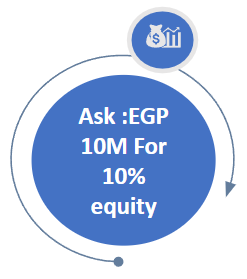
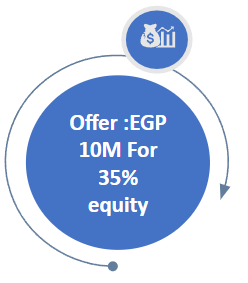
As weddings, business functions, and celebrations become more sophisticated, the demand for high-end catering is accelerating. On Shark Tank Egypt, the founders sought EGP 10 million for 10 percent equity, valuing the company at EGP 10 million. After negotiations, they secured EGP 10 million for 35 percent from Ahmed El Sewedy, a deal that validated their premium positioning and funded their next phase of growth. With its blend of artistry, strategy, and expansion potential, On Board is setting new standards for luxury catering in Egypt and beyond.
Outdated
Outdated has emerged as one of Egypt’s most promising homegrown fashion brands, carving out a niche in a market historically dominated by fast-fashion imports. The company redefines wardrobe staples with a focus on high-quality, timeless pieces that balance comfort, versatility, and durability. Its minimalist aesthetic draws from everyday lifestyles, creating designs that remain relevant beyond seasonal shifts. What truly distinguishes Outdated is its direct-to-consumer business model, which generates revenue through both online and in-store sales. By controlling its own retail channels, the brand maintains a lean inventory strategy centered around essential, all-season collections.
This approach minimizes waste and supports its sustainability-driven positioning, appealing to a new generation of consumers who prioritize authenticity, responsible sourcing, and long-term value. Egypt’s fashion industry is highly competitive, featuring both local minimalist labels such as Cloud Clothing, Basic Couture, and The Basic Look, and international fast-fashion giants like Zara, H&M, and Stradivarius that dominate through affordability and trend agility. Outdated sets itself apart through its use of Egyptian cotton and ethical production practices, positioning itself as a brand that celebrates local craftsmanship while challenging the dominance of mass-produced fashion.
By integrating lifestyle branding with sustainable values, it taps into a growing market segment seeking durable, premium basics that align with conscious consumption. The market opportunity for Outdated is significant. Egypt’s fashion sector is projected to reach USD 1.29 billion in 2024, growing at a 13.5% CAGR to almost USD 2.43 billion by 2029, driven by rising consumer spending, youthful demographics, and global interest in Egyptian textiles.
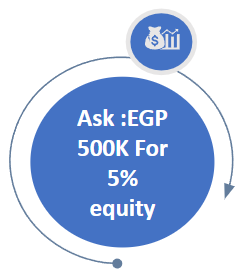
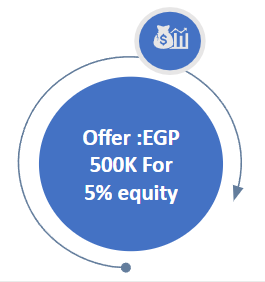
With its scalable model and distinct identity, Outdated is well-positioned to capitalize on both domestic demand and export potential. Following its appearance on Shark Tank Egypt, where the founders secured EGP 500,000 for 5% equity, the brand is preparing to expand its collections, strengthen marketing, and explore international distribution. If executed effectively, Outdated could evolve from a local favorite into one of Egypt’s first globally recognized fashion exports, proving that essential, sustainably made clothing can be both timeless and aspirational.
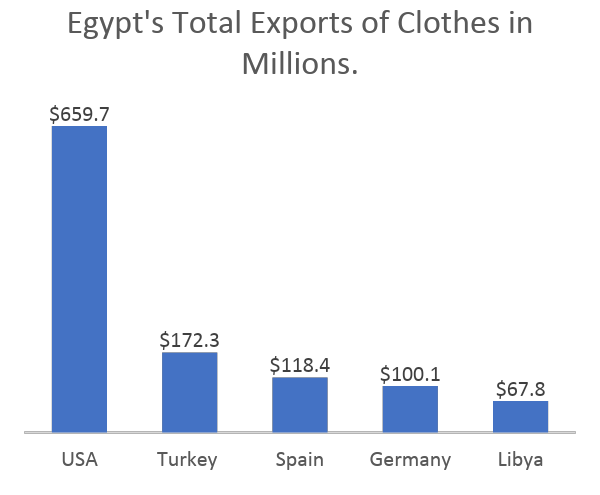
Egypt’s total clothing exports amount to $1.12 billion, led primarily by the United States with $659.7 million, followed by Turkey with $172.3 million, Spain with $118.4 million, Germany with $100.1 million, and Libya with $67.8 million.
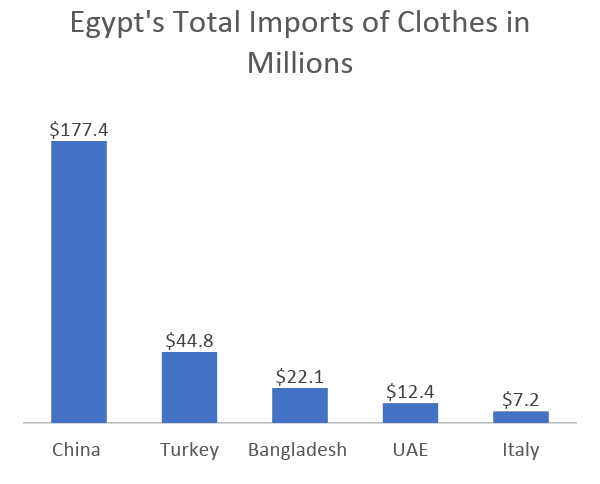
On the other hand, Egypt’s total clothing imports reach $263.9 million, mainly from China with $177.4 million, Turkey with $44.8 million, Bangladesh with $22.1 million, the UAE with $12.4 million, and Italy with $7.2 million. Overall, Egypt maintains a trade surplus of about $854 million in the clothing sector, reflecting a strong domestic manufacturing base and export competitiveness, particularly in Western markets like the U.S. and Europe, while keeping imports relatively modest and focused on essential or specialized textile categories.
Right Home Furniture
Right Home has become one of Egypt’s leading outdoor furniture brands, known for its craftsmanship, design innovation, and commitment to local production. Founded in 1998 with a vision to make outdoor living both stylish and accessible, the company has grown into a trusted name in high-quality rattan and outdoor furniture. Its collections redefine what “Made in Egypt” means by blending artistry with functionality, offering durable and elegant pieces suited for patios, rooftops, and gardens that fit Egypt’s year-round outdoor lifestyle.
The brand’s strength lies in its vertically integrated business model, which gives it full control over every stage of production, from sourcing materials to final delivery. By owning and operating its own factory, Right Home ensures consistent quality, flexible design options, and competitive pricing that import-dependent brands struggle to match. Its factory-to-consumer approach, supported by showrooms and an active online platform, allows customers to order directly from the manufacturer, ensuring efficiency and affordability while expanding reach.
Competition in Egypt’s outdoor furniture market is growing, with global luxury brands leading on prestige and imported materials, while low-cost Asian imports compete on price. Few local players, however, can match Right Home’s mix of craftsmanship, scale, and reputation. As a manufacturer rather than just a retailer, the company has the flexibility to innovate quickly, manage costs, and maintain its quality advantage over smaller workshops and resellers.
Market opportunities are expanding as Egypt’s real estate sector flourishes, especially with the rise of gated communities, resorts, and villas. For many homeowners, outdoor spaces have become an essential part of modern living rather than a luxury. Strong export potential also exists in Gulf and African markets, where customers seek stylish and durable alternatives to expensive European imports.
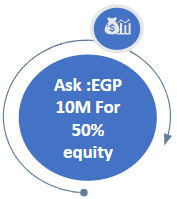
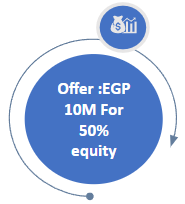
On Shark Tank Egypt, Right Home’s founders asked for EGP 10 million in exchange for 50 percent equity and successfully secured the same offer. The investment will help the brand scale its production, enhance logistics, and strengthen its regional presence. Right Home’s journey reflects how Egyptian manufacturing can evolve from traditional craftsmanship into a modern, globally competitive enterprise that proudly brings locally made design to both regional and international markets.
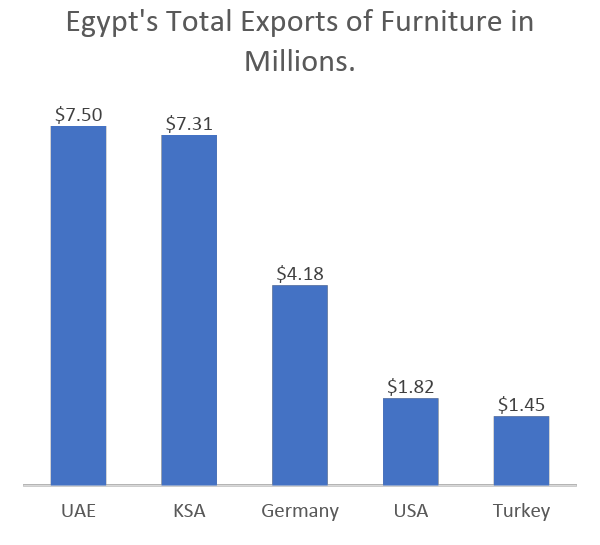
Egypt’s total furniture exports amount to $23.16 million, led primarily by the UAE with $7.50 million, followed by Saudi Arabia (KSA) with $7.31 million, Germany with $4.18 million, the USA with $1.82 million, and Turkey with $1.45 million.
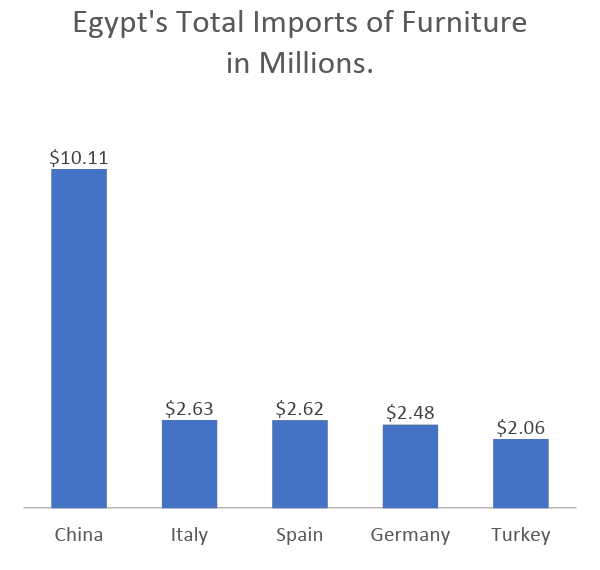
On the other hand, Egypt’s total furniture imports reach $20.90 million, mainly from China with $10.11 million, Italy with $2.63 million, Spain with $2.62 million, Germany with $2.48 million, and Turkey with $2.06 million.
Overall, Egypt maintains a trade surplus of about $2.26 million in the furniture sector, underscoring its strong craftsmanship, growing export network, and the rising global demand for Egyptian-made furniture, particularly across Gulf and European markets.