

On this episode of Shark Tank Egypt, the spotlight was on three ambitious startups ready to transform their industries. From kid-friendly home décor to automotive manufacturing and electric mobility, the pitches were as varied as they were bold.
This episode is full of enthusiasm, creativity, and the drive for scale, with investments being made, agreements being discussed, and futures at stake. Keep an eye on these companies as they move past the tank.
In this comprehensive blog series, we delve into the captivating world of startup pitching by closely analyzing “Shark Tank Egypt.”
A global representation of investment opportunities and startups, Shark Tank provides prospective business owners with an essential platform to present their creative concepts and endeavors to a panel of potential investors. The goal of this series is to evaluate and analyze the pitches given by the participating startups, paying particular attention to their funding results, investment requests, and valuations.
This episode features the following startups: Carpetivity, Al Motaheda, and EGIKE.
We’re back with a brand-new episode, and this time the spotlight’s on Carpetivity!
Carpetivity
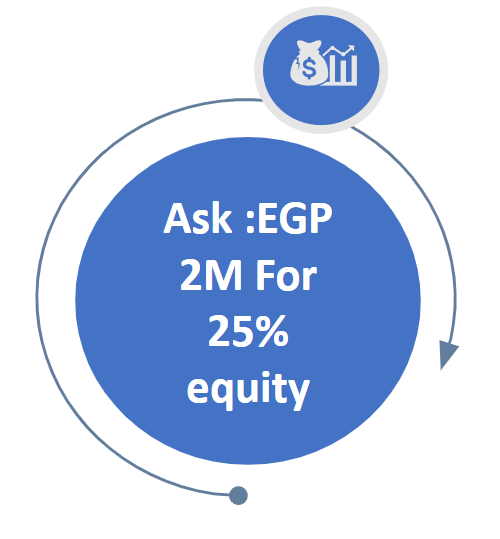
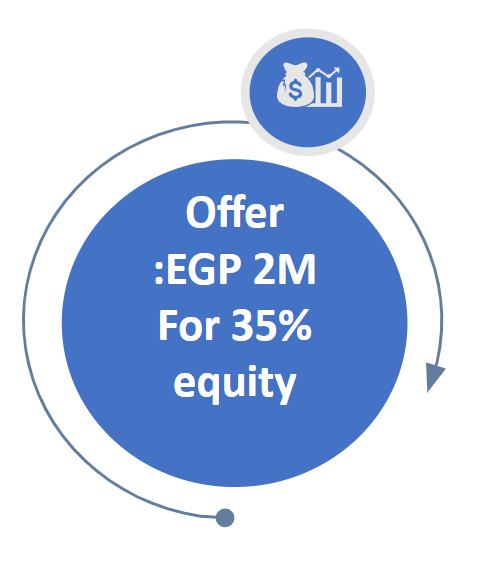
The founders approached, asking for EGP 2 million in exchange for 20% of the company — and they didn’t walk away empty-handed. In a game-changing moment, Carpetivity secured a deal: EGP 2 million for 35% equity, with a performance-based clause that will reduce the stake to 30% upon meeting key KPIs. This investment, locked in through Shark Tank Egypt, marks a turning point for the startup as it accelerates growth in its niche—premium carpets and rugs made just for kids. Crafted from 100% natural wool, Carpetivity’s products aim to redefine children’s spaces by making them safer, cozier, and more stylish than ever.
Sharks Dina Ghaboor and Mohamed Farouk stepped up to back the company, not just with cash but also with strategic support. They’ve committed to helping Carpetivity secure manufacturing space and grow its distribution network across Egypt and beyond. According to the World Bank, the Egyptian carpet and rugs market is projected to generate $107.65 million in revenue in 2024, with a steady annual growth rate of 5.5% through 2029. That’s a promising runway for Carpetivity, especially as it sets itself apart in a market dominated by general-purpose brands like Rirac, Boccara Rugs, Kiliim, and Segada. While those names cater to broader audiences, Carpetivity is staking its claim by focusing solely on children’s interior needs with sustainable, high-quality design.
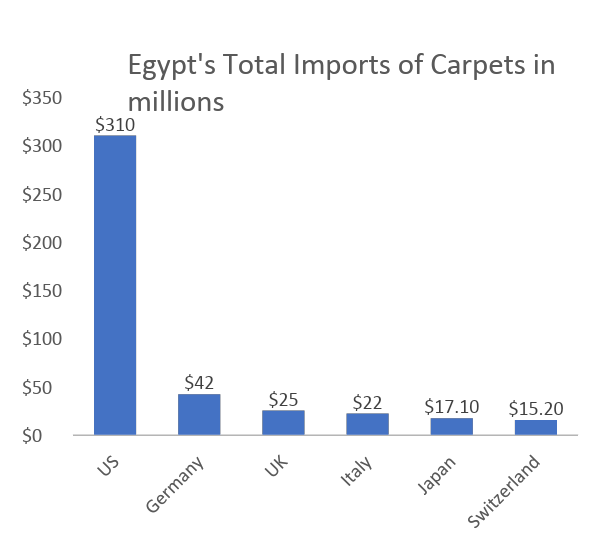
Top import of Carpets and other textile floor coverings for 2023 are the United States ($310M), Germany ($42M), the United Kingdom ($25M), Italy ($22M), Japan ($17.1M), and Switzerland ($15.2M).
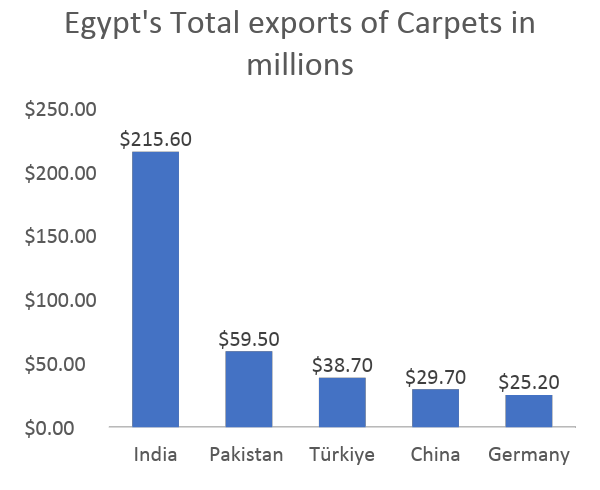
Internationally, brands like IKEA pose competition, but Carpetivity’s emphasis on all-natural wool and a child-first and safety design philosophy enables it to stand apart. With a clear value proposition, the company is well-positioned to serve a growing demand for premium, environmentally conscious home products tailored for kids. The company’s prospects are further improved by Egypt’s position as a major carpet exporter. In 2023, Egypt imported only $9.67 million worth of carpets, while exporting $368.7 million. India ($215.6M), Pakistan ($59.5M), Türkiye ($38.7M), China ($29.7M), and Germany ($25.2M) were the top export destinations. Although Egypt only made up 0.58% of regional carpet imports, it accounted for 9.37% of all carpet exports within the MENA area. Egypt’s competitive edge is highlighted by this trade deficit, which also puts it in a strategic position for international growth.
In 2023, Egypt imported over $27 million worth of hair styling items, according to Trade Map, Trading Economics, and the World Bank. In comparison, during the same time period, the nation’s exports of hair styling goods were about $78 million. With export values over three times larger than its imports, Egypt is positioned as a moderate regional net exporter, demonstrating its expanding significance in the regional haircare market.
Saudi Arabia was the largest importer of hair styling products in 2023, with a total value of $31.39 million, according to Trade Map and the World Bank. The United Kingdom ($6.39 million), Morocco ($4.52 million), the United Arab Emirates ($2.84 million), and Algeria ($2.48 million) are other important importing nations.
With a $3.17 million total export value, Italy was the top exporter, followed by Saudi Arabia ($1.94 million), India ($1.84 million), Slovenia ($1.83 million), and Spain ($2.37 million).
Al Motahida
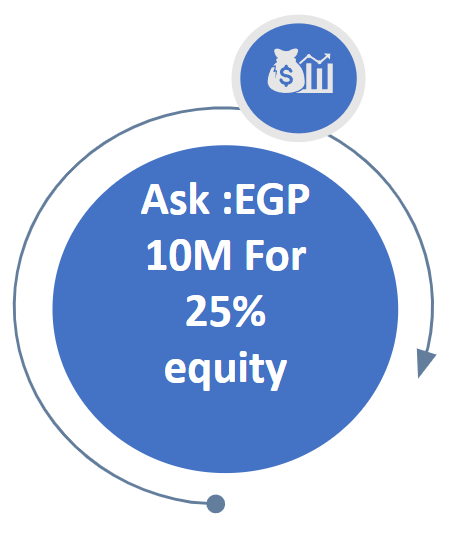
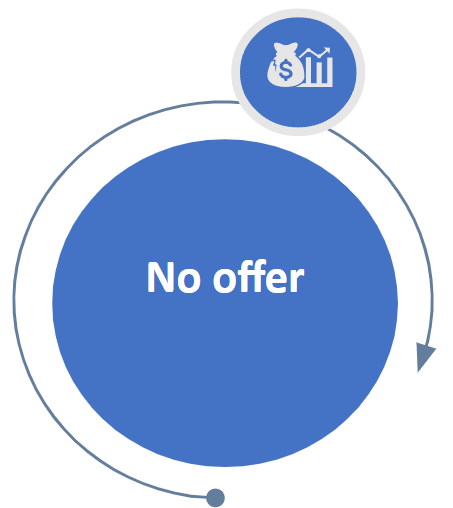
The second project featured in this episode brought a unique form of horsepower to the Tank, signaling a shift in innovation focus. Al Motahida, a manufacturer specializing in brake shoes and automotive spare parts, entered seeking EGP 10 million in exchange for 25% equity. Despite delivering a solid pitch backed by industry insight and operational experience, the company ultimately walked away without a deal. Still, Al Motahida operates in a sector with serious growth potential. Between FY16 and FY21, Egypt’s spare parts aftermarket expanded by over 24%—fueled by rapid population growth, increased car ownership, economic development, and rising levels of foreign investment. Even with recent challenges such as market saturation and aggressive discounting, Egypt continues to establish itself as a key regional hub for vehicle servicing and parts replacement. While funding wasn’t secured this time, Al Motahida remains well-positioned to capitalize on long-term trends in Egypt’s evolving automotive industry .
With popular companies like El Magd, MG Heliopolis Auto Parts, and El-Watania already catering to important market segments, there is fierce competition locally. The substantial presence of global companies like Sachs, Hengst, DONGIL, Valeo, Mobis, Mando, and VARTA puts further pressure on regional competitors to set themselves apart through availability, quality, and price. The future of Al Motahida depends on operational execution and strategic positioning. In a market that is competitive and price-sensitive, highlighting the quality and dependability of their spare parts might help them gain the trust of their clients. They would be able to satisfy the diverse demands of the home market and beyond by expanding their product line to encompass a wider range of parts and accessories.
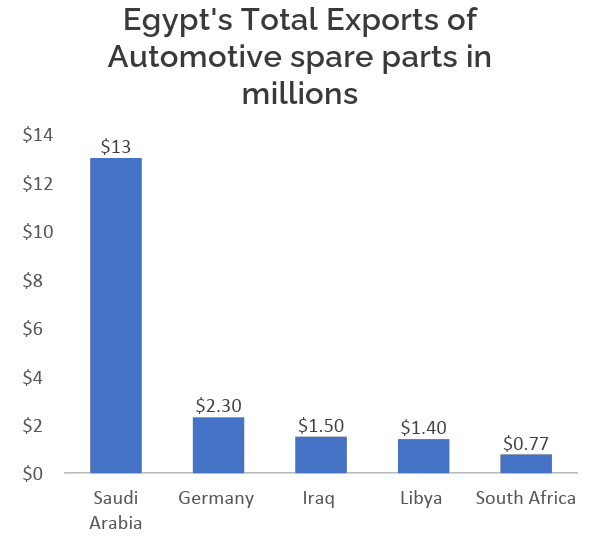
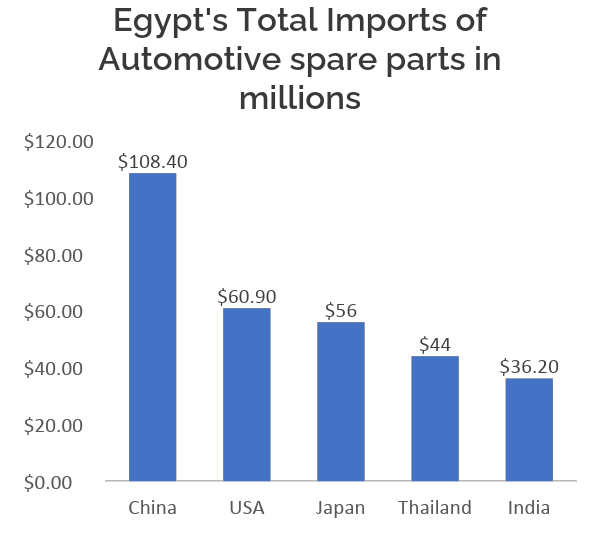
According to trade economy Egypt imported $504.5 million worth of automotive spare parts in 2023, with the majority coming from China ($108M), the USA ($60M), Japan ($56M), Thailand ($44M), Thailand ($43.9M), India(36.3M), South Korea(30.5M). In contrast, its exports totaled just $12.9 million, with key destinations including Germany (647.8K), Libya (190K), Spain(31.40K), Chad(16.59K), and Sudan(8K). This highlights a large trade imbalance and underlines an untapped potential in the export segment.
In 2023, automotive spare parts imports in the MENA region totaled $17.12 billion, while exports came to $11.75 billion. Despite making up only 0.11% of exports, Egypt was responsible for 2.94% of imports.
This implies that although Egypt is a significant consumer market for spare parts, its production and export capacities are still underutilized, providing expansion opportunities.
The business may be able to meet demand worldwide by looking into export alliances with distributors in important vehicle markets, including China, the USA, Japan, Thailand, Chad, and Sudan. Even though investment wasn’t secured during the pitch, Al Motaheda’s growth is still possible given the strength of Egypt’s aftermarket auto industry and its position as a regional service center. Despite the competitive obstacles, the business can position itself for long-term success by concentrating on international cooperation, market diversification, and brand awareness.
EGIKE
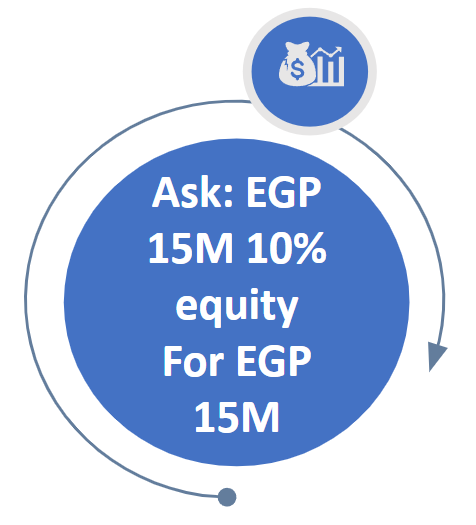
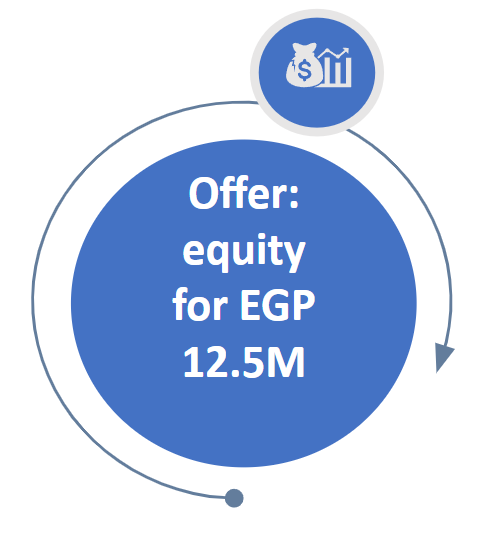
Our final proposal for the show is EGIKE, a tech transport business that specializes in electric bikes. They applied to Shark Tank in hopes of obtaining an EGP 5 million for 10% ownership. Instead, they left with a considerably bigger deal: 50% of the business for 12.5 million EGP. Strong conviction in the company’s ability to transform urban mobility in Egypt and beyond is reflected in this sizeable investment.
At the heart of EGIKE’s product line is the C125, an urban electric bike designed for seamless city commuting. With a whisper-quiet motor and a top speed of 25 km/hr, it offers a smooth and efficient ride that suits the needs of modern urban dwellers. EGIKE aims to provide a green, convenient, and affordable transportation solution in a market that is rapidly shifting toward sustainable alternatives.
Egypt’s bicycle market is projected to reach $111 million in revenue in 2024, with an expected annual growth rate of 6.39%, pushing the market size to $151.3 million by 2029. Unit sales are also on the rise, projected to hit 470,000 bicycles by 2029. This positive outlook underscores the opportunity for EGIKE to capitalize on the growing demand for eco-friendly transportation.
EGIKE operates in a competitive environment with global players such as Giant Bicycles, Trek, and Shimano dominating much of the global scene, and local competitors like Ev Station, Neo Kozmo, and Hubbert making their presence felt domestically. To stand out, EGIKE can lean into innovation and differentiation, emphasizing the design, functionality, and efficiency of the C125 as a premier option for daily urban commutes.
Beyond product innovation, EGIKE’s growth strategy can benefit from forming distribution partnerships in key importing countries like China, the USA, and Jordan. Strengthening their global supply chain and retail presence would open up new markets. Marketing will also play a crucial role; campaigns focused on sustainability, convenience, and urban efficiency can help position EGIKE as a forward-thinking, eco-conscious brand. Additionally, offering product customization could attract a wider range of consumers and enhance brand loyalty.
The recent investment of 12.5 million EGP will be instrumental in accelerating production, refining the product line, boosting marketing efforts, and enhancing customer reach. EGIKE’s mission aligns with global trends toward green and sustainable transportation, and the company is now better equipped to bring that vision to life, both in Egypt and internationally.
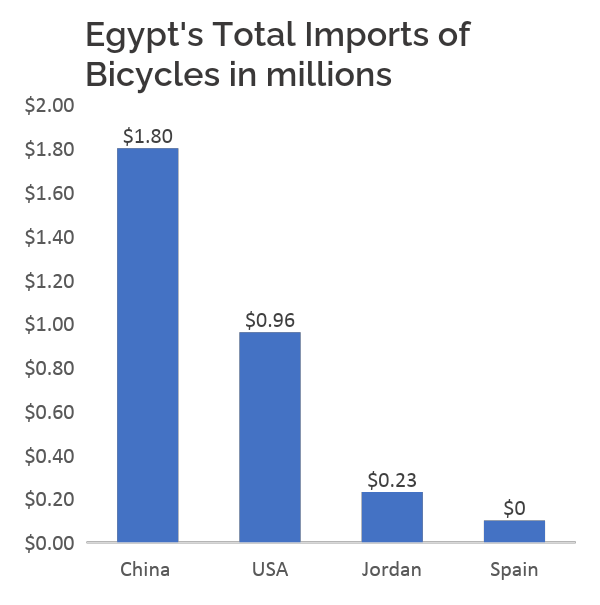
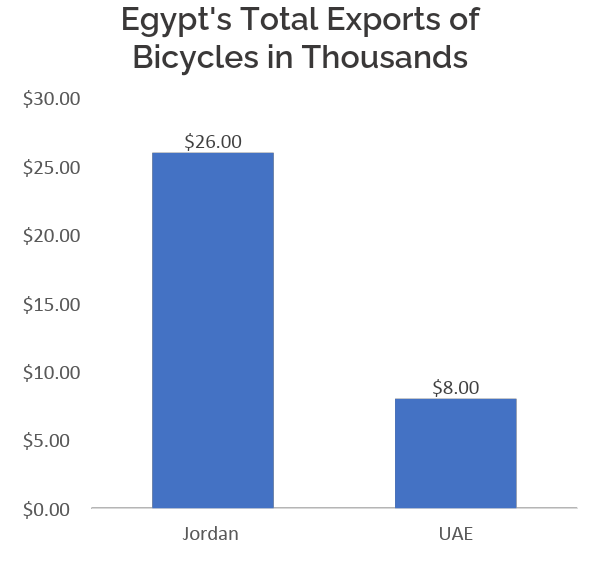
Despite strong potential, the electric bike market in Egypt faces certain limitations, particularly in exports. In 2023, Egypt imported $1.97 million worth of electric bikes and motorcycles, primarily from China ($1.8M), followed by smaller volumes from the USA ($96k), Jordan($23k), and Spain($10k). Exports, however, were minimal at just $35,000, with only two countries—Jordan($26K) and the UAE($8K)—on the receiving end.
This disparity highlights the need for domestic players like EGIKE to scale not only locally but also to explore export avenues more aggressively. In the MENA region, the total value of imported electric bikes and motorcycles in 2023 was $148.3 million, while exports stood at $43.5 million. Egypt accounted for 1.33% of MENA imports and only 0.08% of exports, indicating room to grow in terms of regional influence and international reach.